- 100 North Central Expressway Suite 526 Richardson, Texas 75080
- hello@tonetherapywellness.com
- 469-618-1368
- Shopping with Tone Therapy, LLC
Chronic pain can affect more than just your body. It may make everyday activities such as walking, sitting, bending, working, or sleeping more difficult. When discomfort continues for weeks or months, even simple movements can start to feel challenging. Manual therapy is one approach that may help manage certain types of musculoskeletal pain and support better mobility.
At Tone Therapy Wellness, understanding each person’s movement challenges, comfort level, and wellness goals is an important part of developing a personalized approach to care.
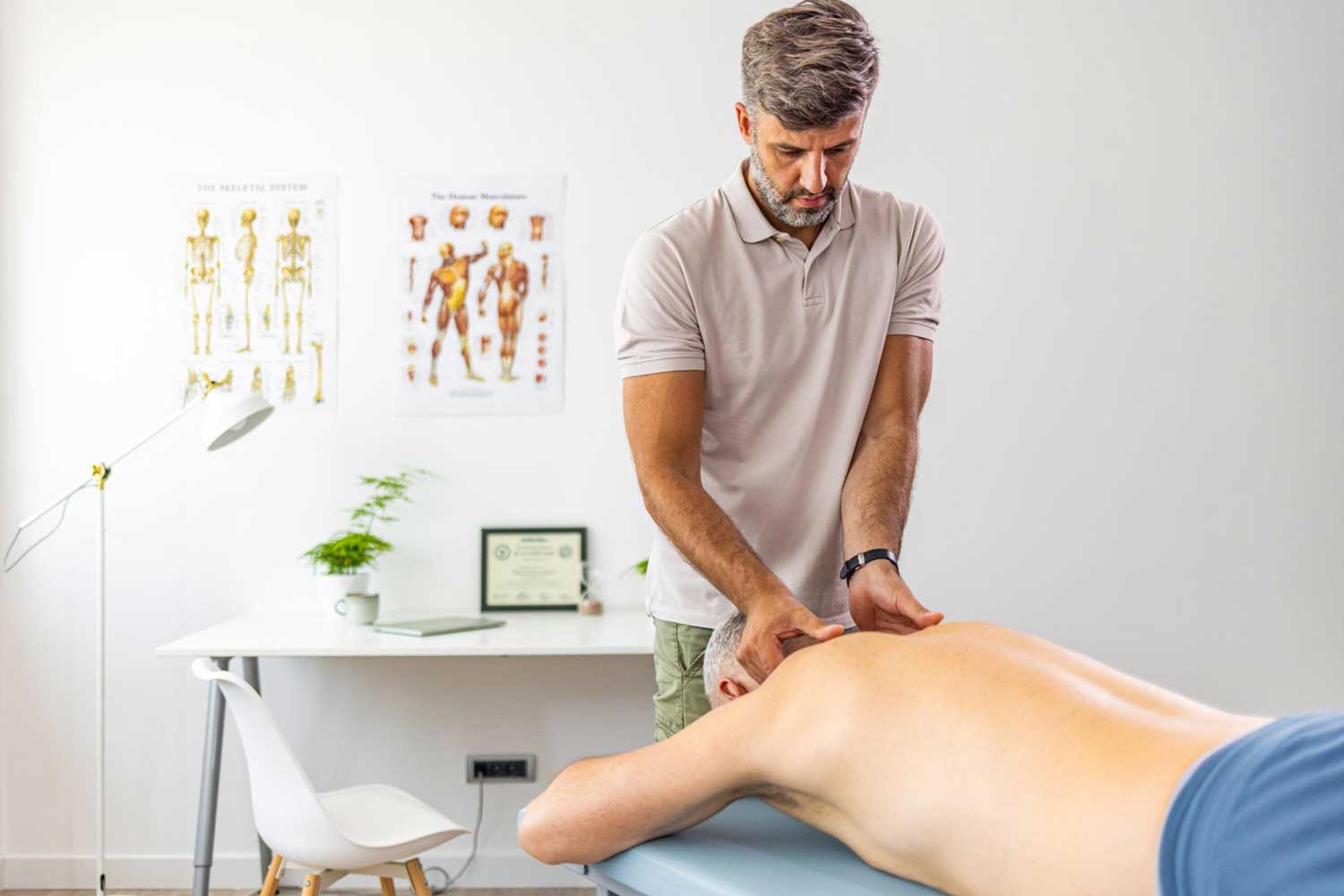
Manual therapy is a hands-on treatment approach used by trained practitioners to address muscle tension, joint stiffness, and movement restrictions. Depending on an individual’s needs, it may involve gentle soft-tissue techniques, joint mobilization, and targeted hands-on treatment.
Unlike a one-size-fits-all approach, manual therapy techniques can be adapted to the area of discomfort, the nature of the symptoms, and the person’s tolerance for treatment.
Manual therapy may be considered for certain conditions involving the neck, shoulders, back, hips, and other parts of the musculoskeletal system. A qualified practitioner can help determine whether it is appropriate for your specific concerns.
Chronic pain can have several contributing factors, including muscle tension, restricted movement, previous injuries, and changes in how the body responds to discomfort. Manual therapy may help address some of these factors as part of an individualized care plan.
Persistent muscle tightness can contribute to discomfort and make movement feel restricted. Selected hands-on techniques may help relax tense soft tissues and improve comfort during everyday activities.
Stiff joints can make it difficult to turn your head, reach overhead, bend forward, or move comfortably. Appropriate manual therapy techniques may help improve joint movement and reduce the feeling of stiffness in some people.
When pain makes movement uncomfortable, people may begin avoiding certain activities. With appropriate treatment and gradual movement, manual therapy may help make everyday movements feel more manageable.
Manual therapy may work best as part of a broader approach that can include therapeutic exercises, movement education, activity adjustments, and guidance from an appropriate healthcare professional. The right combination depends on the person’s symptoms and health needs.
Mobility refers to your ability to move your joints and body comfortably through the movements required for daily life. Limited mobility may affect your ability to exercise, work, perform household tasks, or enjoy recreational activities.
Manual therapy may support mobility by addressing soft-tissue tension and selected joint movement restrictions. For example, someone experiencing neck stiffness may find turning their head difficult, while a person with back discomfort may struggle with bending or getting up from a chair.
The goal is not simply to reduce discomfort during a session. It is to support more comfortable movement and help people work toward their everyday functional goals.
Results vary from person to person, and manual therapy does not guarantee complete pain relief or restore every movement limitation.
Depending on the cause of the symptoms and an individual’s health history, manual therapy may be considered by people experiencing:
Not every type of chronic pain responds to manual therapy. A proper assessment is important to identify possible causes, determine whether hands-on treatment is suitable, and establish realistic goals.
A manual therapy session typically begins with a discussion about your symptoms, medical history, movement difficulties, and treatment goals. Your practitioner may assess your posture, mobility, and areas of discomfort before recommending suitable techniques.
Treatment should be adapted to your comfort level and individual needs. You should communicate any pain, sensitivity, or concerns during the session.
Depending on your condition, your practitioner may also recommend movement exercises or other strategies to help support progress between appointments.
If your pain is new, severe, worsening, unexplained, or associated with symptoms such as new weakness, numbness, or loss of bladder or bowel control, seek appropriate medical evaluation rather than relying on manual therapy alone.
Chronic pain does not affect everyone in the same way. Two people with similar symptoms may have different contributing factors, movement limitations, and treatment needs.
A personalized manual therapy approach considers the person’s symptoms, daily activities, health history, and goals. Treatment can then be adjusted as comfort and movement change over time.
At Tone Therapy Wellness, personalized care focuses on understanding individual concerns and exploring appropriate hands-on approaches to support comfort and mobility.
If persistent muscle tension, stiffness, or movement limitations are affecting your daily routine, learning more about manual therapy may help you understand your care options.
Tone Therapy Wellness in Richardson, Texas, offers personalized wellness services tailored to individual needs. Contact the practice to discuss your concerns and find out whether manual therapy may be an appropriate option for you.
Take the next step toward more comfortable movement. Explore the available services at Tone Therapy Wellness or schedule an appointment to discuss your wellness goals.
Manual therapy may help some people manage musculoskeletal pain and stiffness. Its effectiveness depends on the cause of the pain, the techniques used, and the individual’s overall care plan.
There is no single number that works for everyone. The number and frequency of sessions depend on your symptoms, treatment goals, response to care, and practitioner recommendations.
Manual therapy should be adapted to your comfort level. Some techniques may create temporary pressure or mild discomfort, but you should tell your practitioner if a technique causes pain or feels uncomfortable.
It may help improve movement in some people by addressing certain soft-tissue and joint restrictions. Results vary, and exercises or other treatments may also be recommended.
No. Suitability depends on the underlying condition, medical history, and symptoms. A qualified practitioner or healthcare professional can help determine the most appropriate approach.
Disclaimer: This article is for educational purposes only and is not a substitute for professional medical advice, diagnosis, or treatment.